The Must-Have Guide for Maneuvering Incident Lawsuits Supported By a Injury Lawyer
Navigating accident lawsuits presents numerous difficulties that can overpower individuals looking for justice. An experienced personal injury lawyer takes an vital role in clarifying this complicated process. From providing immediate counsel after an accident to managing intricate legal details, their expertise is invaluable. Understanding the steps involved and the importance of proper evidence collection can greatly impact a case. What are the important measures one should take immediately following an accident? The answer lies ahead.
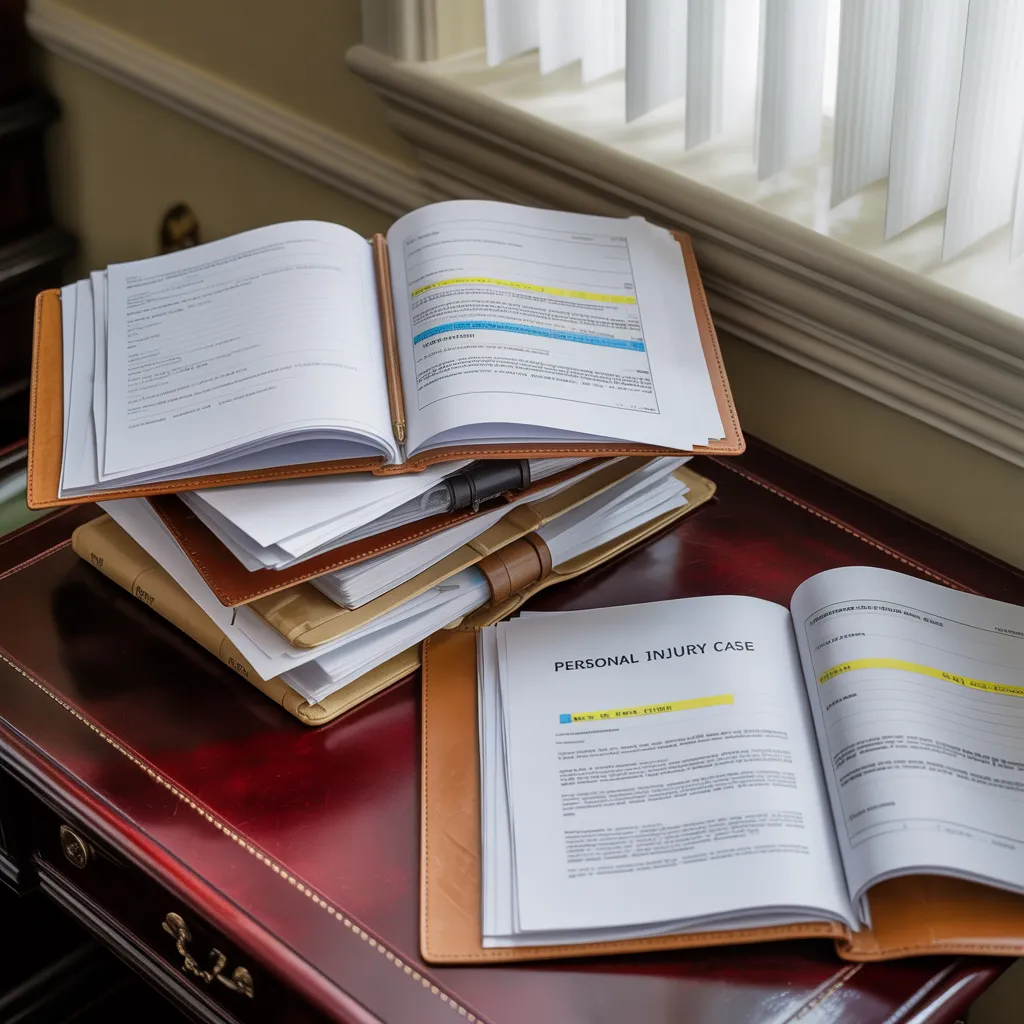
Essential Steps to Follow After an Crash
In the aftermath of an occurrence, people must act quickly to safeguard their interests and well-being. The first action involves ensuring security; victims should assess harm and, if possible, relocate to a safe area. Contacting rescue personnel is essential, as healthcare assistance may be necessary for injuries that are not immediately noticeable.
Next, individuals should alert law enforcement to record the incident formally. This report can play a key role in future legal actions. It is also essential to exchange insurance and contact details with all concerned parties.
Throughout your period waiting for authorities, gathering preliminary witness statements and observations becomes instrumental. Capturing photographs of the location, vehicle harm, and any noticeable injuries might benefit future claims. To wrap up, individuals might want to consult with a personal injury lawyer to discuss potential legal options, ensuring their interests are secured from the beginning.
How to Gather Evidence for Your Case
Recording evidence is essential for forging a strong case after an accident. Initially, individuals should document the scene by taking photographs of any destruction, road conditions, and relevant traffic signs. This pictorial evidence can furnish context and validate claims. In addition, procuring statements from witnesses can be invaluable; titles and contact details should be maintained for follow-up contact.
Medical records constitute vital evidence, as they verify the extent of injuries and assign them to the accident. Retaining all documentation, including police reports and correspondence with insurance companies, is significant for substantiating claims.
Furthermore, safeguarding any tangible proof, such as destroyed belongings or clothing, can also reinforce a case. Finally, keeping a detailed journal of events and experiences post-accident can provide understanding into the effect on everyday activities. By systematically collecting this data, people can construct a solid base for their case.
Exploring the Position of a Bodily Harm Legal Professional
Why is a injury representative so impactful on the outcome of an accident lawsuit? Their expertise is indispensable in maneuvering through the difficulties of judicial processes. A personal injury lawyer provides critical direction on the enforceable protections and routes available to the injured party. They execute thorough investigations to assemble facts, recognize responsible parties, and calculate the entire scope of financial losses, confirming no substantial details are bypassed.
Additionally, these legal professionals possess negotiation skills important for dealing with insurance companies and opposing counsel. They understand the tactics often employed to minimize settlements and can help clients counter these strategies effectively. By representing the client in court, if necessary, they advocate for fair compensation, leveraging their knowledge of relevant laws and precedents. Overall, a personal injury attorney functions as a crucial ally, providing both legal expertise and emotional support, ultimately aiming for the best possible outcome for their client's case.
Tips for Approaching Insurance Negotiations Confidently
Navigating insurance talks can be a challenging process for many individuals following an collision. Being confident matters, and preparation plays an crucial part in achieving it. First, understanding the extent of damages, including healthcare costs, income loss, and emotional distress, is important. Collecting comprehensive records can support your claims and offer negotiating power during conversations.
Next, individuals should investigate their policy terms and comprehend the coverage boundaries and exclusions. This knowledge prepares them to counter lowball offers effectively. Engaging a personal injury lawyer can also enhance confidence; their expertise helps navigate complex legal jargon and tactics employed by insurance adjusters.
Furthermore, remaining calm and poised during negotiations creates a professional atmosphere. Practicing negotiation techniques and anticipating counterarguments can additionally bolster one's stance. By implementing a strategic approach and relying on strong data, individuals can handle insurance discussions with greater assurance and success.
Important Court Documents for Your Lawsuit
After managing insurance negotiations, people may be prepared to pursue a lawsuit if sufficient funds is not achieved. To begin this procedure, multiple important legal papers are necessary. The complaint serves as the foundation, detailing the plaintiff's allegations against the defendant and the damages requested. The summons, provided with the petition, informs the defendant of the lawsuit and provides instructions for their response.
Additionally, the defendant's opponent may need to submit a case information statement, which details the case, and any relevant evidence, such as medical records or accident reports, should be meticulously gathered. Interrogatories and admission requests may also be employed to obtain information from the opposing party. Collectively, these documents create the structure for the lawsuit and facilitate the progression of the case through the legal system, guaranteeing that all parties have knowledge and that the claims are clearly articulated.
What to Anticipate During a Court Proceeding?
What can individuals anticipate when entering the courtroom for a trial? The atmosphere is often tense, with a judge overseeing court proceedings and a panel of jurors on hand to evaluate the facts presented. Individuals will witness opening statements from both sides, detailing their arguments and important matters. Following this, testifying parties may be summoned to give witness statements, and both sides will have the opportunity to question them.
Evidence, including documents and expert opinions, is presented to support each party’s case. The trial process typically culminates in closing arguments, where attorneys summarize their positions and urge the jury to reach a favorable verdict. After deliberation, the jury will render a decision, which can greatly influence the lives of those involved. Throughout the trial, individuals can expect a well-organized environment where protocol and legal standards govern the proceedings. Understanding this framework can help alleviate some anxiety connected to the trial experience.
Common Errors in Personal Injury Lawsuits to Prevent
In injury-related legal cases, certain missteps can greatly impede a case's favorable outcome. Neglecting thorough medical documentation and postponing court proceedings are two typical mistakes that people often encounter. Recognizing and avoiding these mistakes is crucial for a positive result.
Bypassing Medical Documentation
Disregarding health records can strongly undermine a personal injury lawsuit. Accurate and thorough medical records function as necessary evidence, verifying the extent of injuries and the need for treatment. When claimants fail to produce or present these documents, they risk jeopardizing their case considerably. Insufficient medical documentation may lead to disputes over the magnitude of injuries, complicating the effort to establish liability or justify compensation claims. Additionally, insurance companies often depend on medical records to verify the legitimacy of a claim. Failing to provide this critical information can result in delays or denials. Hence, maintaining detailed medical documentation throughout the treatment process is critical for the success of a personal injury claim.
Holding Back Legal Actions
Delays in legal action can seriously affect the outcome of a personal injury lawsuit. When people delay filing, they risk losing key evidence such as witness testimonies and physical records, weakening their case. Moreover, statutes of limitation impose rigid deadlines; missing them can result in losing the right to compensation entirely. Delays also impact the ability to receive necessary medical treatment, complicating proof of injury severity. Insurance companies may use such delays to undermine the claimant’s credibility, implying the injuries were minor. Hence, prompt action is crucial for ensuring the best possible outcome in personal injury lawsuits.
Frequently Asked Concerns
What window Do I Have to lodge a Personal Injury lawsuit?
The deadline for filing a personal injury lawsuit commonly spans from one to three years, varying by jurisdiction. It is important that people speak to attorneys without delay to confirm they meet required deadlines.
What Forms of Payment Can I Receive for My Harm?
Individuals may get several forms of compensation for damages, consisting of medical expenses, wage loss, suffering and discomfort, mental anguish, and punitive damages. The exact amount and types are based on the circumstances surrounding each case and applicable laws.
Can I Yet File a Legal Action if I Bore Partial Fault?
Yes, an party can still take legal action even if partially responsible. Many legal systems how to recover from a car accident enable lawsuits to proceed, recalibrating monetary awards based on the extent of fault, maintaining fairness in the settlement process despite shared liability.
How Are Bodily Harm Agreements Typically Organized?
Damage awards are typically organized to cover compensation for medical bills, wages lost, pain and suffering, and sometimes punitive awards. Disbursements can be provided as a one-time payment or via periodic distributions over time.
What Takes Place if the Defendant Cannot Cover the Settlement?
When the defendant is unable to pay the settlement, the plaintiff may seek alternative options, such as seizing assets or wage garnishment. In some cases, the plaintiff might be required to obtain compensation through insurance policies or government programs.